The excavator, a cornerstone of modern construction and mining, derives its formidable power not just from brute engine force, but from a sophisticated hydraulic control system. This intricate network of pumps, valves, motors, and sensors acts as the machine's central nervous system, translating engine power into precise, powerful movements. Understanding this system is key to appreciating the engineering marvel behind these versatile machines and their operational efficiency.
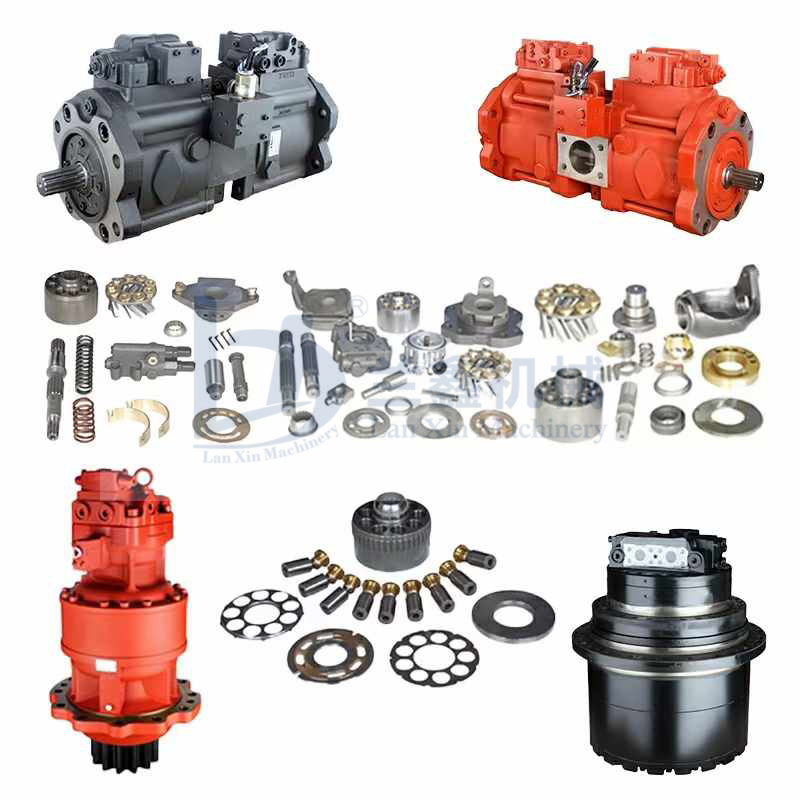
Core Components: The Hydraulic Trinity
1. Hydraulic Pumps: The Power Generators
The engine's rotational energy is first converted into hydraulic power by the hydraulic pump. This high-pressure oil serves as the lifeblood of the system. Pump technology is crucial, primarily manifesting in two configurations:
- Series Pumps (e.g., Kawasaki K3V112): Often utilizing a swashplate design, these pumps (sometimes termed front/rear pumps) generate flow by varying the angle of the swashplate. Changing this angle directly alters the pump's displacement and output flow rate. This design offers robust control capabilities.
- Parallel Pumps (e.g., Hitachi HPV): Predominantly bent-axis piston pumps, these achieve variable displacement by altering the angle between the cylinder block and the drive shaft. Models like the Hitachi ZX200-3 and ZX200-3G leverage this configuration, often chosen for their power density and efficiency in specific applications.
The choice between series and parallel configurations impacts flow characteristics, control complexity, and overall system efficiency.
2. Hydraulic Motors & Cylinders: The Power Executors
High-pressure oil delivered by the pump drives the actuators – primarily hydraulic cylinders for linear motion (boom, arm, bucket) and hydraulic motors for rotary motion (travel, swing). Due to the reversible nature of pump/motor principles, hydraulic motors also mirror pump designs:
- Swashplate Motors: Feature a cylinder blockline aligned with the drive shaft. The fixed or variable-angle swashplate forces pistons into linear motion, converted into shaft rotation.
- Bent-Axis Motors: The cylinder block centerline is set at an angle to the drive shaft. The pistons' reciprocating motion within the angled cylinder block generates torque on the output shaft.
The selection depends on required torque, speed, and physical constraints within the machine.
3. Control Valves (Combination Valves): The Power Directors
The Control Valve, often a complex assembly known as a Combination Valve, acts as the system's traffic controller. It receives high-pressure oil from theDirectional Control:** Directs oil flow to the specific cylinder or motor required for a given operator command (e.g., boom up, swing left, track forward).
- Flow Control: Manages the rate of oil flow to each actuator, controlling the speed of movement.
- Pressure Control: Incorporates relief valves to protect the system from overpressure and may include load-sensing or pressure-compensating features for efficient power distribution.
The valve block ensures that hydraulic power is delivered precisely where and when it's needed.
Modern excavators rely heavily on electronic control to optimize performance, efficiency, and safety. Key components include:
- Proportional Solenoid Valves: These valves receive electronic signals (PWM or current) proportional to the desired output. They regulate pilot pressure or main flow, enabling precise control over pump displacement, valve spool position, and actuator speed. They are fundamental to implementing Load Sensing and Electronic Control strategies.
- Pressure Sensors: Monitor critical pressures throughout the system – pump outlet, valve inlets/outlets, actuator lines. This data is fed to the machine's controller (ECU) for:
- Implementing control strategies (e.g., limiting power when pressure spikes indicate high load).
- Enabling features like automatic idle-down when pressure drops indicate no work is being done.
- System diagnostics and protection.
- Speed Sensor: Typically mounted between the engine flywheel and the hydraulic pump input shaft, this sensor provides real-time engine speed (RPM) data to the ECU. This is vital for:
- Engine-Power Matching: Ensuring the hydraulic pump absorbs power proportional to available engine power at any given RPM, preventing engine stalling or lugging.
- Angular Displacement Sensor (RVDT - Rotary Variable Differential Transformer): Used specifically with swashplate type variable displacement pumps. As the swashplate angle changes to alter pump flow, the RVDT precisely measures this angular displacement, providing feedback to the ECU for closed-loop control of pump displacement.
- Linear Displacement Sensor (LVDT - Linear Variable Differential Transformer): Used with bent-axis type variable displacement pumps. Since flow changes by altering the cylinder block angle relative to the drive shaft (often achieved via a linear actuator), the LVDT measures the linear position of the actuator piston, providing feedback to the ECU for precise displacement control.
Conclusion: Synergy and Precision
The excavator hydraulic system is a masterpiece of mechanical and electronic integration. The engine provides raw power, converted by the hydraulic pump(s) into pressurised fluid energy. The combination valve meticulously directs this energy to hydraulic motors and cylinders and solenoid valves provides the electronic control layer, enabling precise, efficient, and powerful machine operation. Understanding the roles of pumps (series vs. parallel, swashplate vs. bent-axis), valves, motors, and sensors reveals the intricate engineering that makes the modern excavator such a versatile and powerful tool.
TKD Information:
- Title: Unveiling the Hydraulic Control System: Pumps, Valves, Motors & Sensors in Excavators
- Keywords:
- Excavator Hydraulic System
- Hydraulic Pump Types (Series, Parallel)
- Swashplate Pump (asaki K3V112)
- Bent-Axis Pump (e.g., Hitachi HPV)
- Control Valve / Combination Valve
- Hydraulic Motor (Swashplate, Bent-Axis)
- Proportional Solenoid Valve
- Pressure Sensor
- Speed Sensor
- RVDT Sensor (Angular Displacement)
- LVDT Sensor (Linear Displacement)
- Hydraulic System Control
- Excavator Efficiency
- Description: This article delves into the core components of excavator hydraulic systems, explaining the differences between series and parallel pumps, swashplate and bent-axis designs, the function of control valves, and the critical role of sensors (pressure, speed, RVDT, LVDT) and proportional solenoids in achieving precise and efficient machine operation.


